


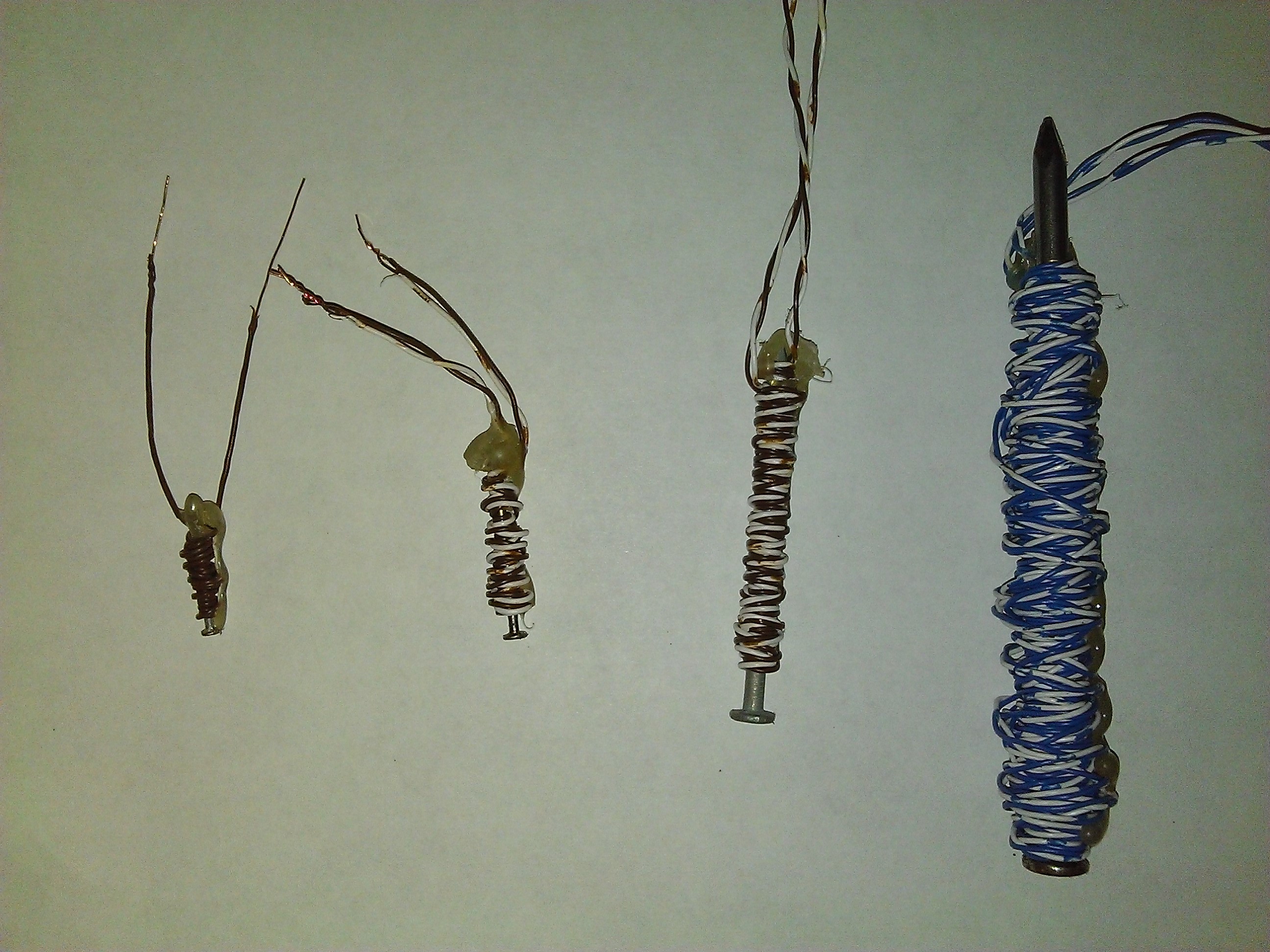
Apparatus (what we need)
- Nails
- Wire
- Hot Glue
- Battery
Method (what we did)
We wrapped wire around nails. Then put glue on the wire to stop the wire moving.
When the glue was dry. We connected a battery to the wires and counted the number of screws the magnet could pick up.
Results (table of numbers)
| Electromagnet | Number of Screws | Length of Electromagnet |
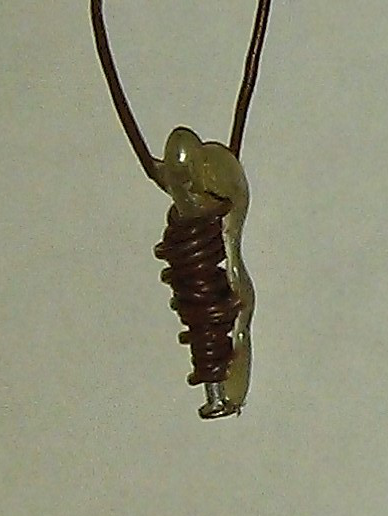 |
1 | 2cm |
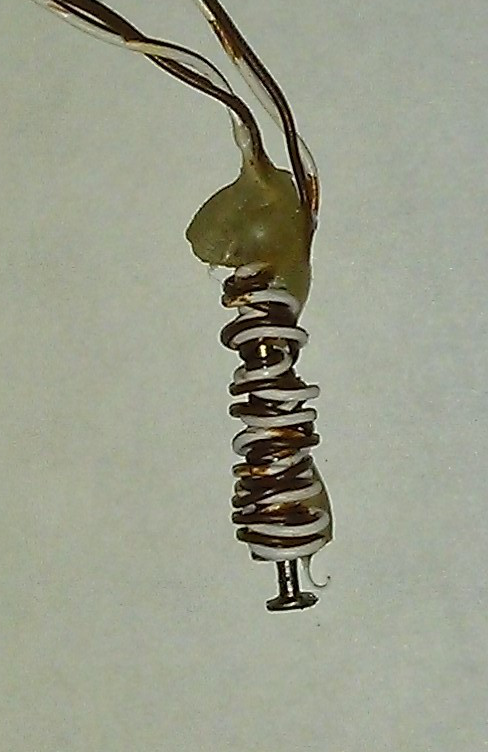 |
2 | 3.5cm |
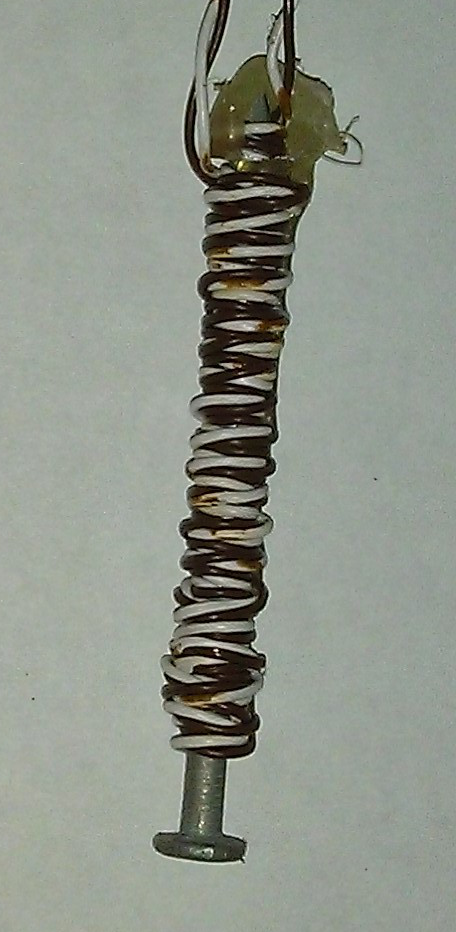 |
4 | 7cm |
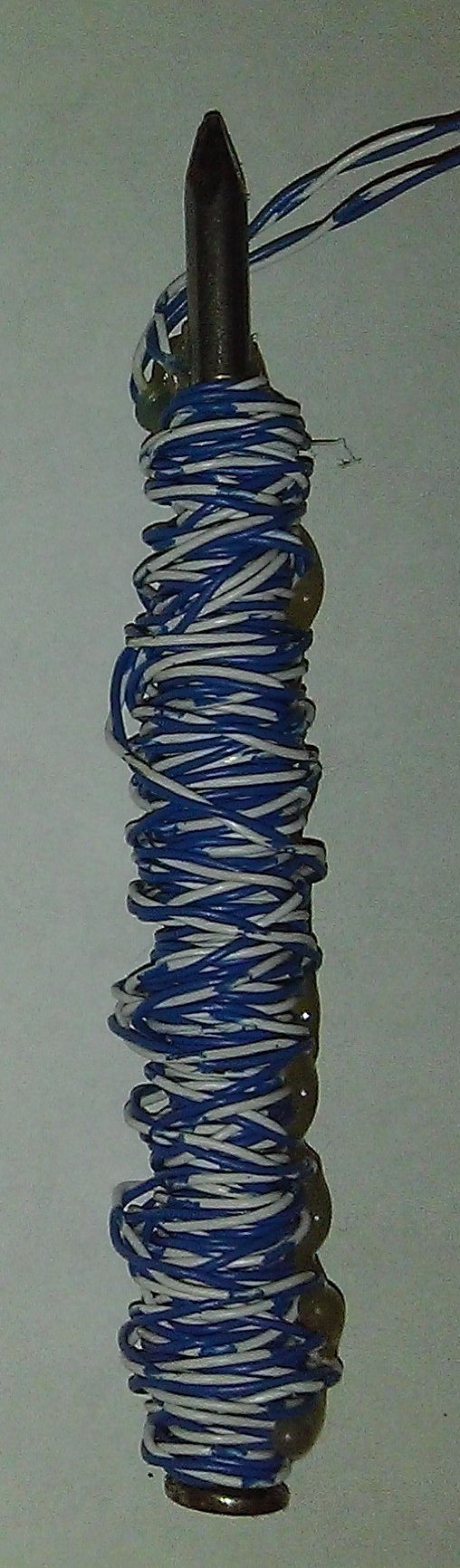 |
27 | 12.5cm |
Conclusion (what did we learn)
Using nails and wire we can make magnets. The bigger the electromagnet the stronger the magnetic field.
by dylan & andrew seaford
Apparatus (what we need)
- magnets
- iron filing
- card board
Method (what we did)
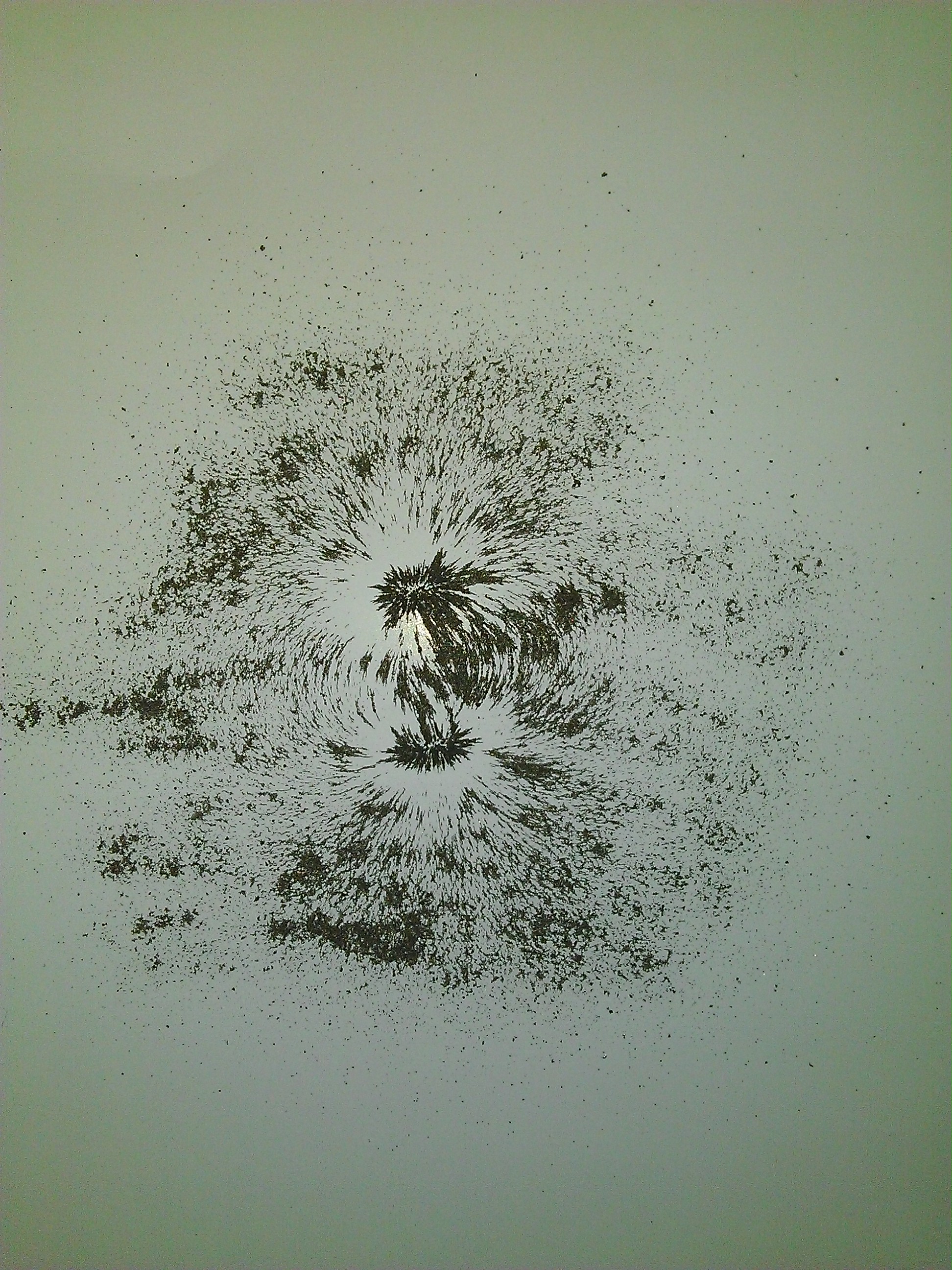
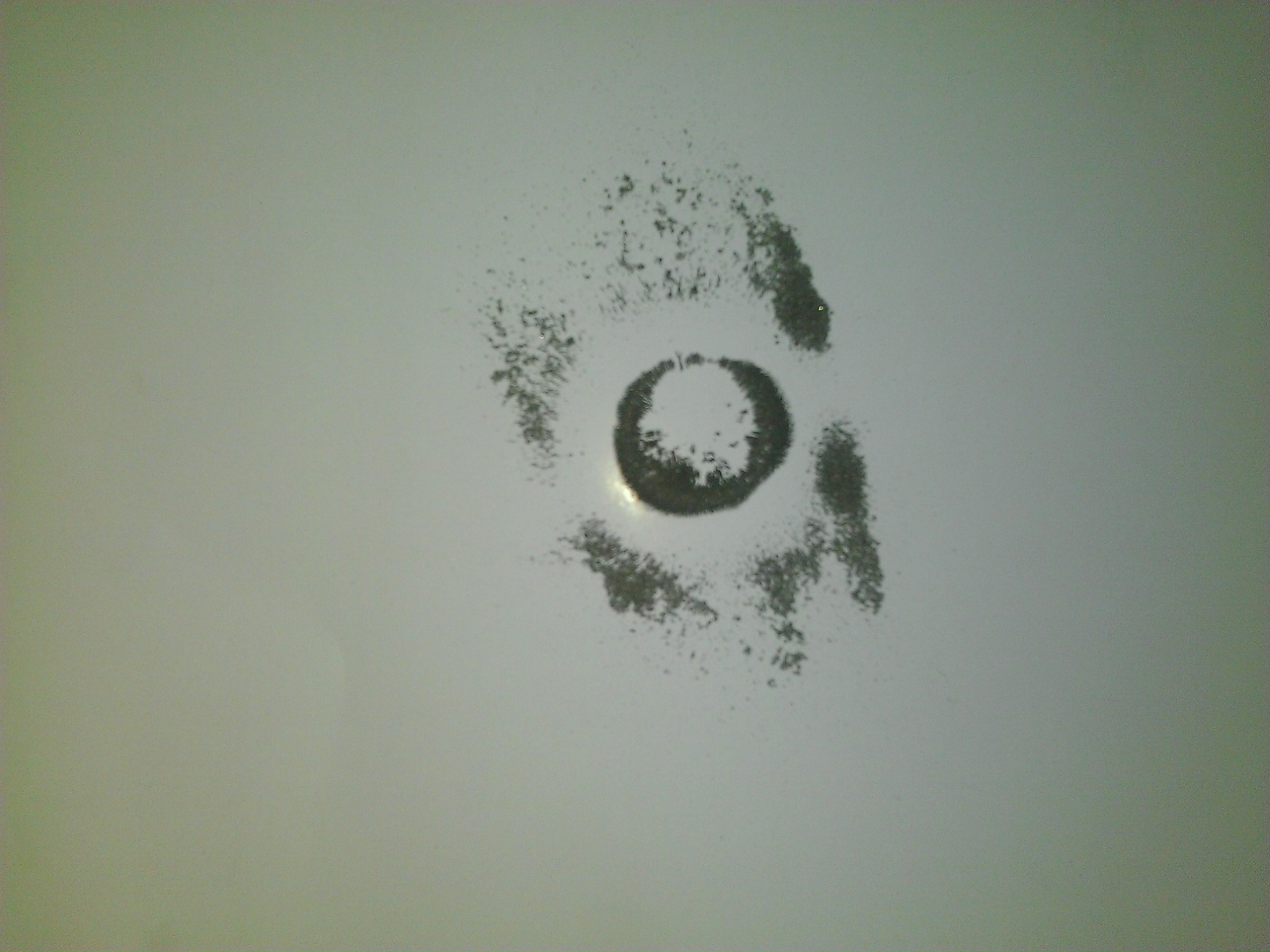
We put a magnet under paper. Then put iron filing over the paper to see the magnetic field.
Then we tested the strength of the magnetic field by counting the number of screws the magnet could pick up.
Prediction (what we think is going to happen)
I though the biggest magnet would pick up more.
Results (table of numbers)
| Magnet | Number of screws | Magnet Size |
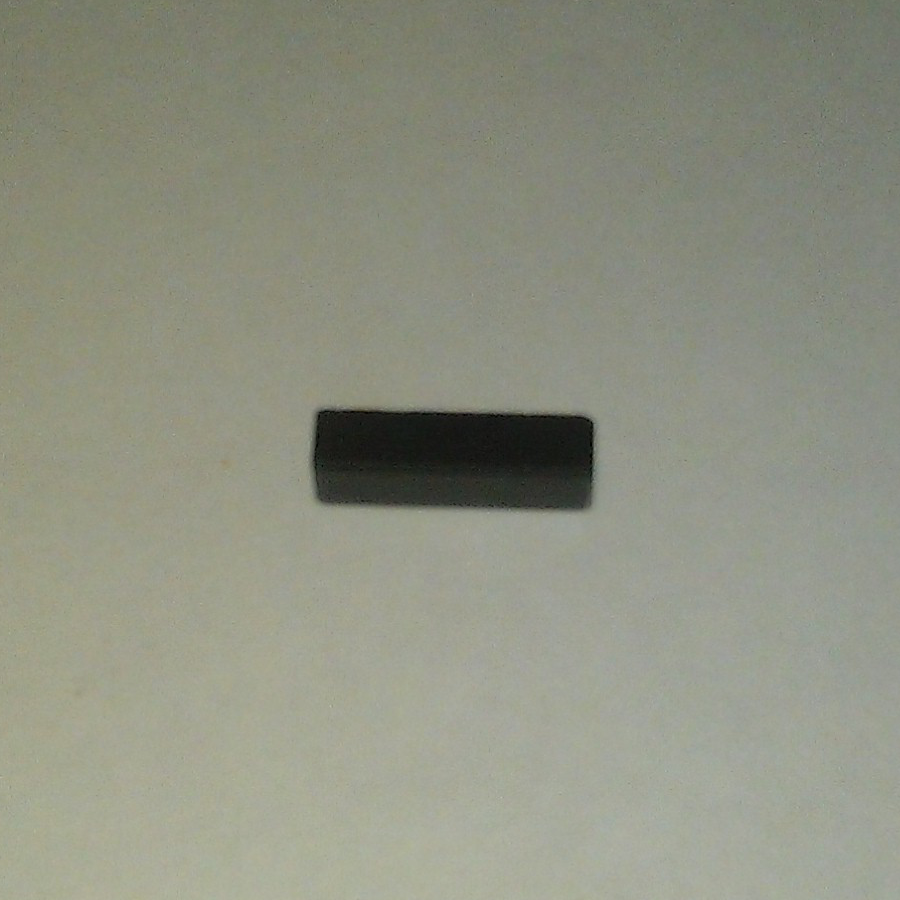
|
17 | 2.5cm |
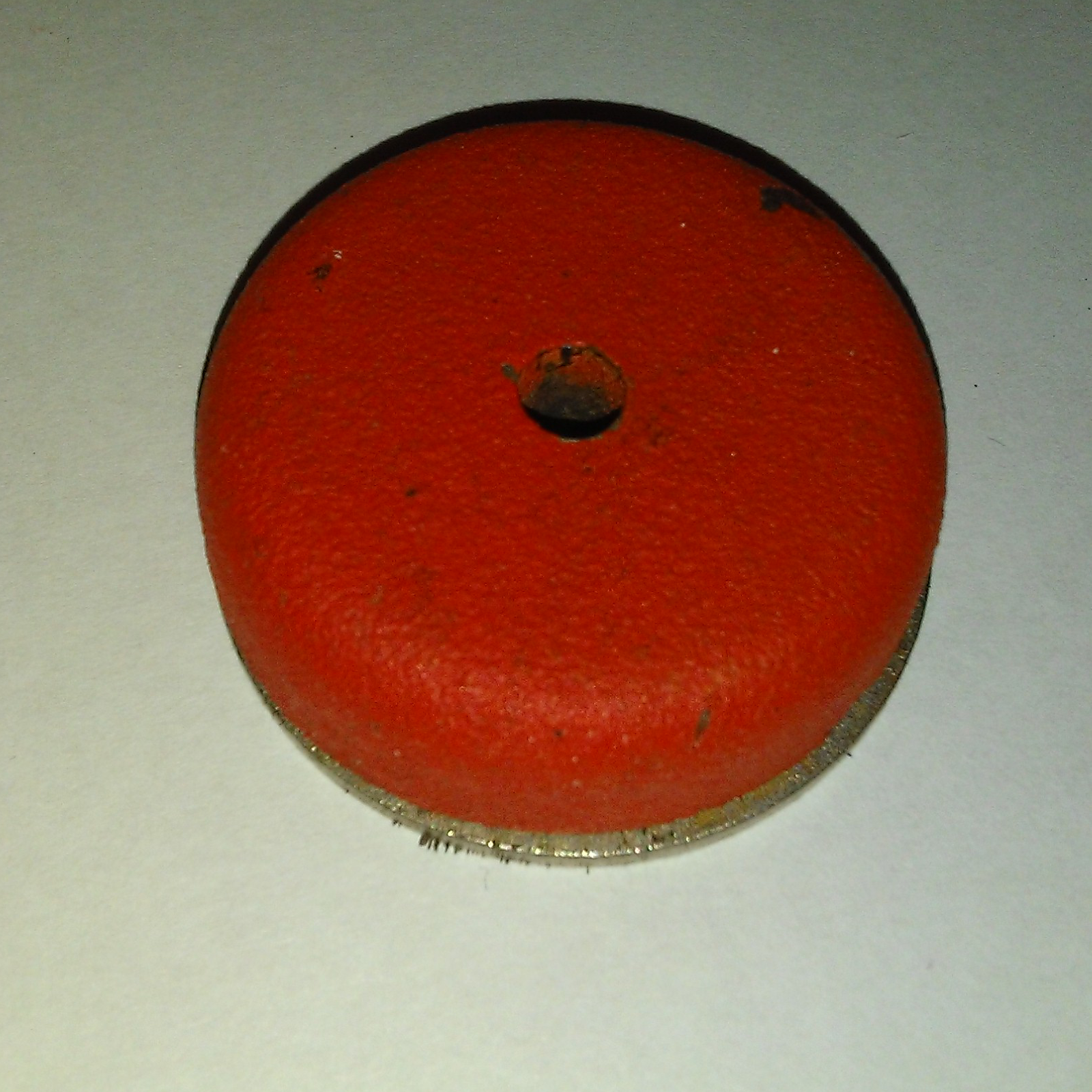
|
39 | 4cm |

|
18 | 2.5cm |
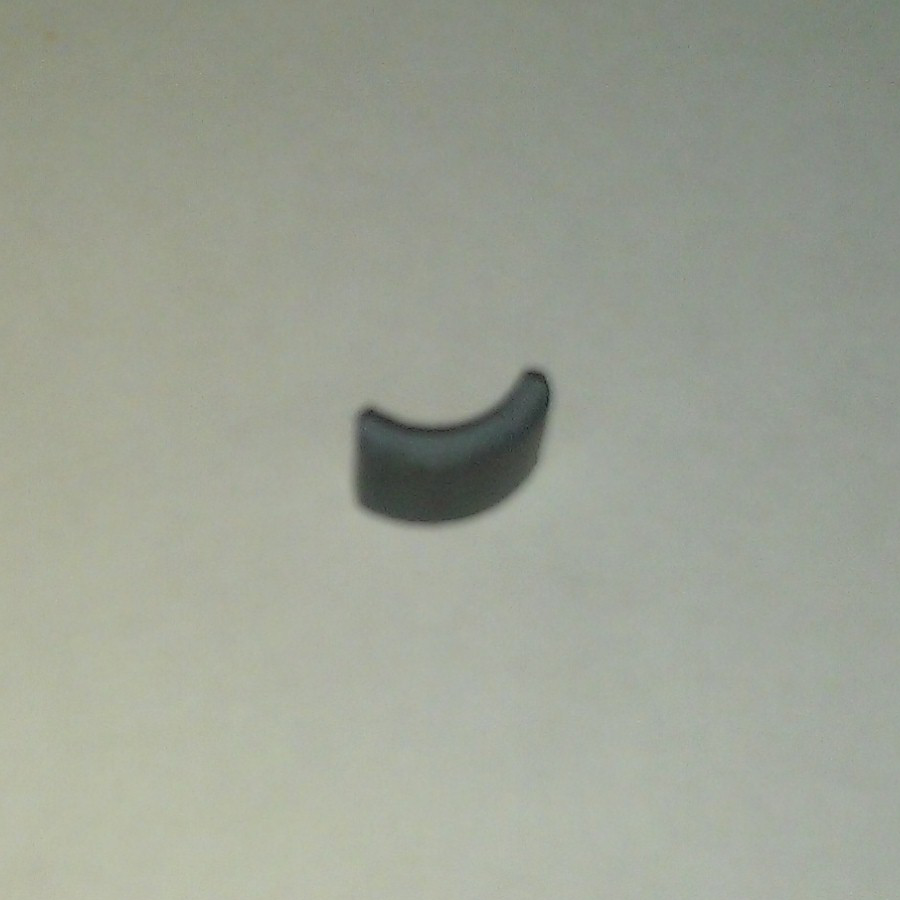
|
5 | 1.5cm |
Conclusion (what did we learn)
The invisible ball around a magnet is called the magnetic field. The magnetic field is strongest near the magnet poles.
The bigger the magnet the stronger the magnet. The smaller the magnet the weaker the magnet.
by dylan & andrew seaford